
Product Pipeline
Product Pipeline
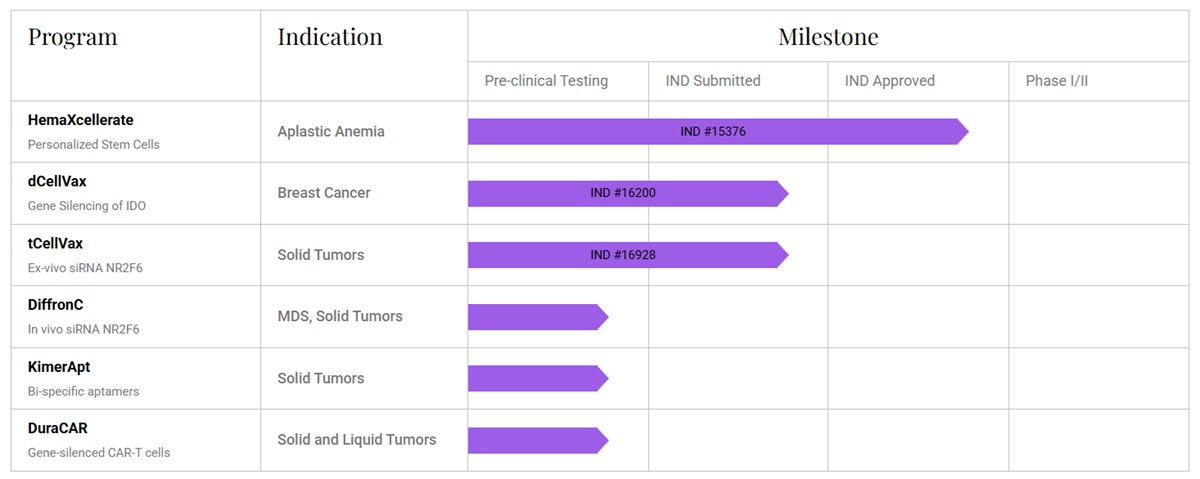
Regen has a diverse pre-clinical pipeline spanning cell therapies, RNA vaccines, RNA and DNA therapeutics and small molecule drugs. All of the technologies are protected by multiple granted and pending patents.
Regen BioPharma focuses on creating immune checkpoint medicines. An immune checkpoint is a mechanism by which certain cells of the immune system, typically T cells, are kept from being fully activated. This type of restraint on the immune system is important in the normal functioning of the immune system. However, it is now well-established that many cancers have an ability to trick immune cells into up-regulating their checkpoints and thus shut down the ability of these immune cells to kill the tumor. Several drugs which target checkpoints, termed checkpoint inhibitors, are currently used as standard of care in certain cancers. Regen has been focusing its research on a novel immune checkpoint called NR2F6
 DuraCAR
 KimerApt
 HemaXellerate
 dCellVax
 tCellVax
 DiffronC
DuraCAR
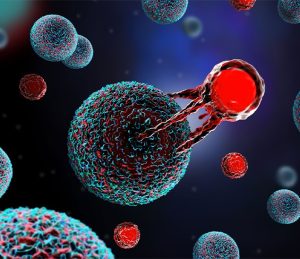
Regen has filed patents on shRNA that is designed to inhibit NR2F6 expression in CAR-T Cells and make these CAR-T cells have long-term, durable effectiveness.
- Currently in pre-clinical development
- We expect that inhibition of this checkpoint protects CAR-T cells from exhaustion, a common problem of existing CAR-T cell therapies
- Blocking NR2F6 in CAR-T cells should also make these cells more effective at killing solid tumors.
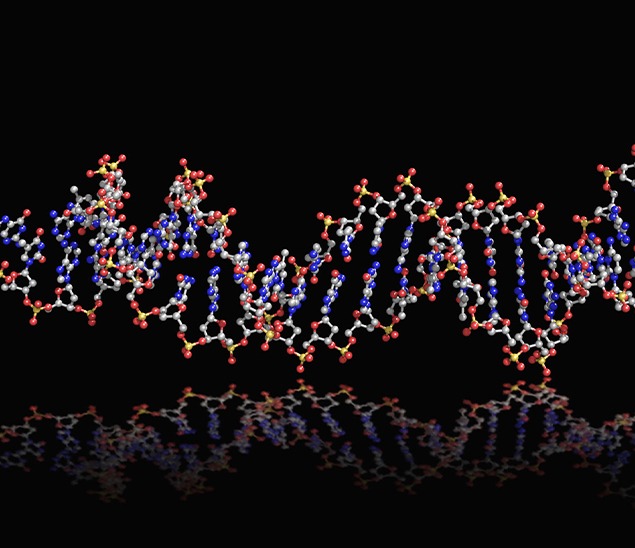
KimerApt
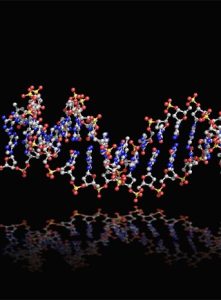
Regen has designed a platform technology that uses aptamers that have dual functionality. Aptamers are DNA or RNA sequences that can bind to and inhibit receptors just like antibodies.
- Regen’s aptamer design has two functions – receptor inhibition and targeted gene inhibition via siRNA delivery
- This platform technology can be used for a wide variety of immune cell and cancer cell targets
- Currently being developed as a T cell enhancer and cancer stem cell inhibitor
Small Molecules Targeting Cancer and Autoimmunity
Regen has identified and filed patents on small molecules that activate and inhibit a novel gene (NR2F6) which controls how the immune system reacts to cancer cells and to inflammatory responses.
- Objective is to identify small molecules that can activate and inhibit NR2F6
- Currently in pre-clinical development
- Initial indications (inhibitor): bladder cancer, myelodysplastic syndrome, lung cancer
- Initial indications (activator): rheumatoid arthritis, inflammatory bowel disease, psoriasis
- Additional indications include solid tumors, acute leukemia and GVHD

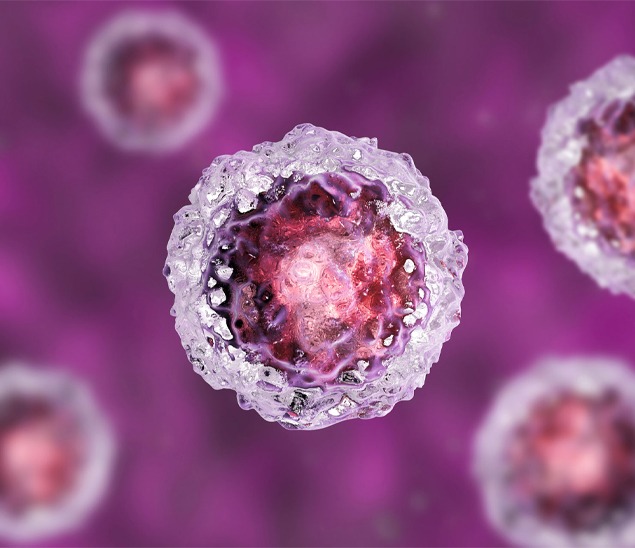
HemaXellerate
Aplastic Anemia Stem Cell Therapy – HemaXellerate – IND #15376 CLEARED TO PROCEED TO PHASE I / II CLINICAL TRIALS
HemaXellerate is a personalized cellular therapeutic product designed to stimulate blood production in patients whose bone marrow is not properly functioning.
- Fat stem cell based product to treat bone marrow that has been damaged
- Bone marrow damage occurs from radiation, chemo, or chronic conditions
- HemaXellerate uses patient’s own fat as source of endothelial cells to heal damaged bone marrow
- United States Food and Drug Administration Investigational New Drug Application cleared (IND #15376)

dCellVax
Breast Cancer – dCellVax – IND #16200
CellVax is a dendritic cell based immunotherapy that stimulates the patient’s immune system through a process called “gene silencing.”
- 10 advanced breast cancer patients
- Efficacy endpoints at 6 and 12 months
- Establishment of safety will allow for rapid expansion of patient numbers
- Currently addressing FDA questions with Dr. Santosh Kesari, head of UCSD Neuro-Oncology program

tCellVax
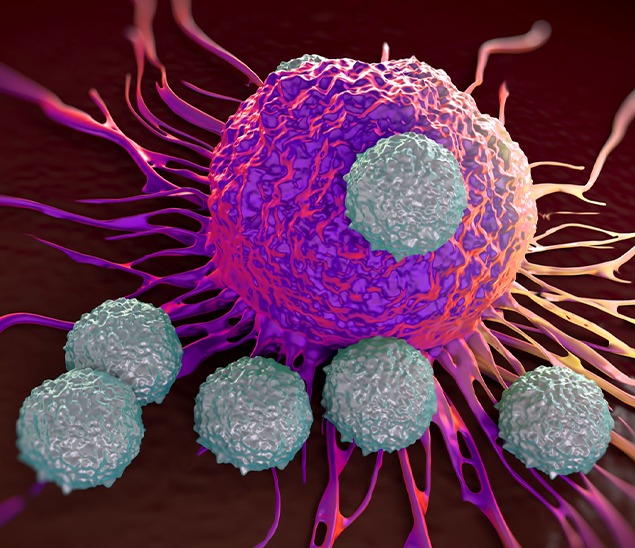
Solid tumors – tCellVax – IND #16928
tCellVax is a cell-based immunotherapy that stimulates the patient’s immune system through gene silencing of NR2F6 (Solid Tumors).
- Ex vivo siRNA silencing of NR2F6 in PBMC
- Silencing using tCellVax induces T cell activation (release of checkpoint inhibition)
- Initial indications: solid tumors
- Currently addressing FDA questions with Dr. Santosh Kesari
DiffronC
Myelodysplastic Syndrome Gene Silencing – DiffronC
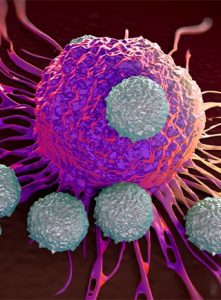
DiffronC is a novel form of therapy called differentiation therapy that is expected to have much milder toxicity than chemotherapy. The mechanism of action is to correct the specific genes that prevent the myelodysplastic syndrome stem cell from producing mature blood cells.
- siRNA silencing of our newly discovered cancer stem cell target gene
- Silencing using DiffronC induces differentiation of cancer cells
- Initial indication is treatment of myelodysplastic syndrome
- Other indications include solid tumors and acute leukemia